
How to start composting
Home composting is great for you, your garden and the environment.
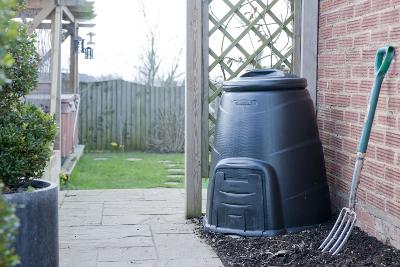

It can help you save money on buying compost. It can improve your health and wellbeing as composting and gardening are physical activities.
Compost can help feed plants and can lighten heavy soils. It helps light soils hold more water.
You can help the environment by composting, because it:
- Reduces waste going in the bin and the production of harmful gases
- Reduces having to rely on peat. Learn about peat-free growing on the Garden Organic website
Follow these simple steps to start composting at home
Visit the Garden Organic website to discover how you can create a homemade compost bin.
Or you can buy a discounted compost bin.
Position your compost bin
- Place your compost bin on bare earth if possible. If you put it on paving slabs though, composting organisms will still find their way in
- Put it somewhere where you'll use it often
- Put your bin in a sunny spot. A shady spot will also work but take longer
- Make sure you have space around the bin so you can remove the compost easily
What goes in a compost bin
- Uncooked fruit and vegetable waste
- Hedge clippings, old bedding plants and other garden waste
- Your compost bin also needs air. You can do this by adding whole egg boxes and scrunched up card
You can find more information on the check what you can compost page.
Putting the right balance of materials in your compost bin is important to make good compost. Aim for:
- 50% 'greens'. For example, grass clippings, fruit and vegetable waste and leafy plant materials
50% 'browns'. For example, paper, cardboard, shredded paper and straw
Find a beginner's compost workshop or webinar near you
Your finished compost
If you feed your bin regularly, it will take about 12 months to produce compost for your garden.
The finished compost is the dark brown layer at the base of the compost bin. It should have a fresh earthy smell and a crumbly texture.
It does not look like the compost you buy, as you will still see bits of unfinished items in it.
If you prefer, you can buy an inexpensive sieve and put the compost through this. The larger bits can go back in the compost bin to finish decomposing. You can use your compost to:
- Sprinkle onto lawns
- Dig into borders and vegetable patches
Use as a potting mix
Composting problems
Discover how to solve common composting problems
Wormeries
If you have not got the space for a traditional compost bin, a wormery could be right for you.
Visit the Royal Horticultural Society (RHS) website to find out about worm composting.


